
The Complete Guide to Lawn Care in Burlington, NC
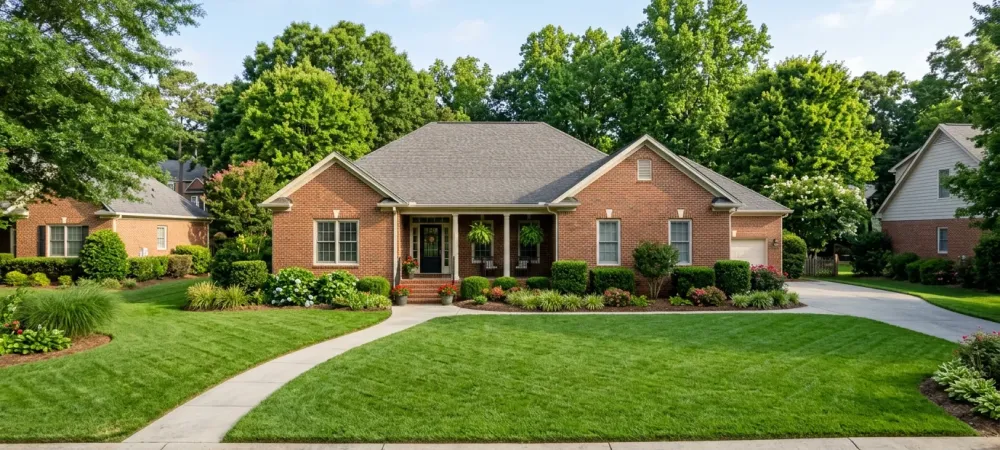
If you've lived in Burlington for any length of time, you already know your lawn doesn't behave like the ones in gardening magazines. Between the region's clay-heavy soil, humid summers, and cool, wet winters, growing a consistently healthy lawn here takes a different approach than in most parts of the country. This guide walks through what actually works for lawn care in Burlington, NC, season by season, so you can plan your yard's care around the conditions it's really dealing with.
What Makes Burlington's Piedmont Soil and Climate Different
Burlington sits squarely in North Carolina's Piedmont region, which means most yards here are working with dense, compacted clay soil that drains slowly and resists root growth. Add in a transition-zone climate, hot and humid summers paired with cold winters, and you end up in a spot where cool-season grasses like tall fescue generally outperform warm-season options for most residential lawns. Understanding this baseline is the first step to setting realistic expectations for your yard, whether you're renovating a struggling lawn or maintaining one that's already doing well.
A Season-by-Season Lawn Care Timeline for Burlington
Spring: Waking the Lawn Up Right
As soil temperatures climb in early spring, your lawn shifts out of dormancy and starts actively growing again. This is the window for a pre-emergent weed control application, timed before crabgrass and other warm-season weeds germinate. It's also a good time for a light fertilization pass, though the heaviest feeding should wait until fall. If you've never had your soil tested, spring is a good time to do it; Alamance County's Cooperative Extension lawn and garden program offers local guidance on soil testing and pH.
Summer: Managing Heat Stress
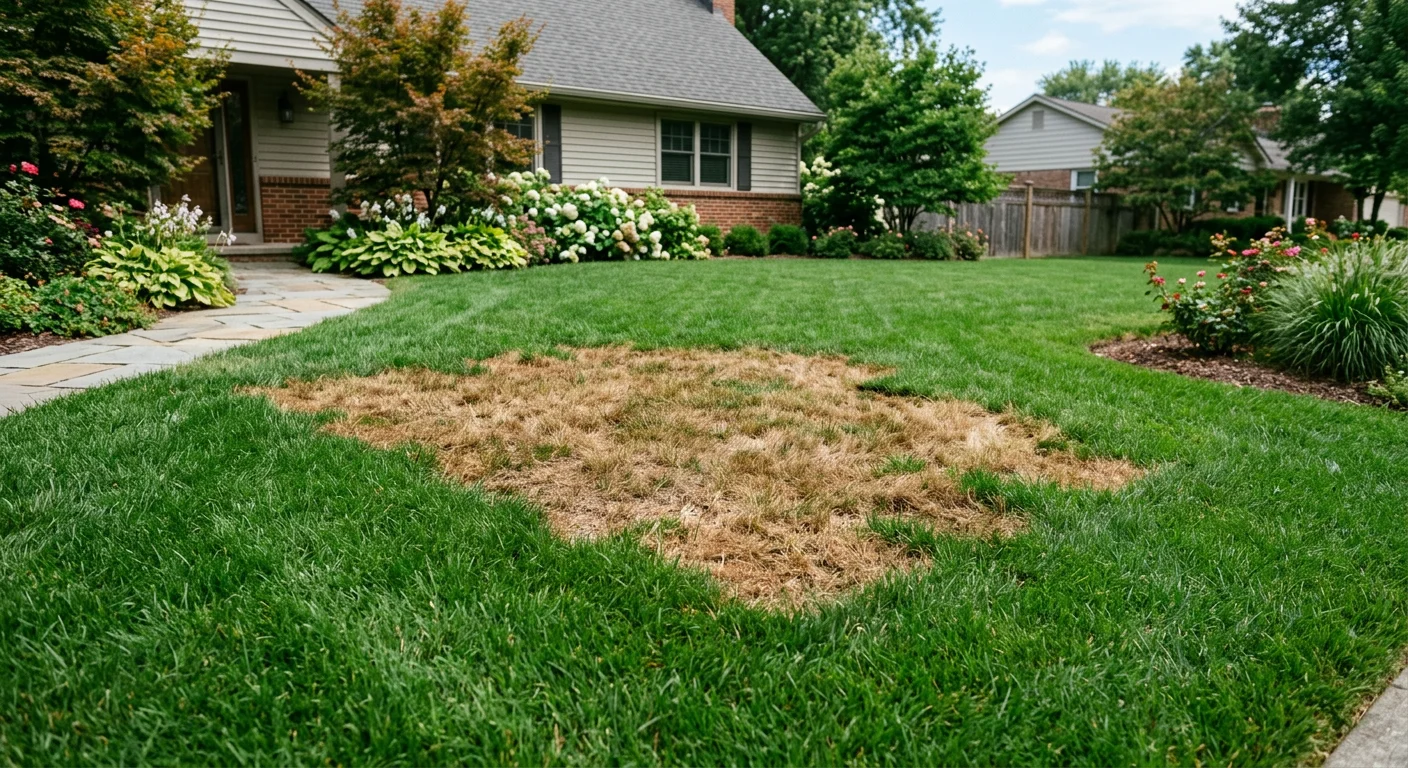
Piedmont summers put real stress on cool-season lawns. Fescue tends to slow its growth and can even go semi-dormant during the hottest stretches, so consistent watering (roughly one inch per week, delivered a couple of times rather than all at once) matters more here than fertilizing. This is also peak season for brown patch, a fungal disease that thrives in warm, humid conditions.
Fall: The Most Important Season for Piedmont Lawns
If you only prioritize one season, make it fall. Cooler temperatures and consistent rainfall create ideal conditions for root development, making early-to-mid fall the best window for core aeration, overseeding thin areas, and the season's most important fertilization application, timing confirmed by NC State Extension's tall fescue maintenance calendar. Aeration relieves the soil compaction so common in Burlington's clay, giving roots room to establish before winter.
Winter: Protecting Dormant Turf
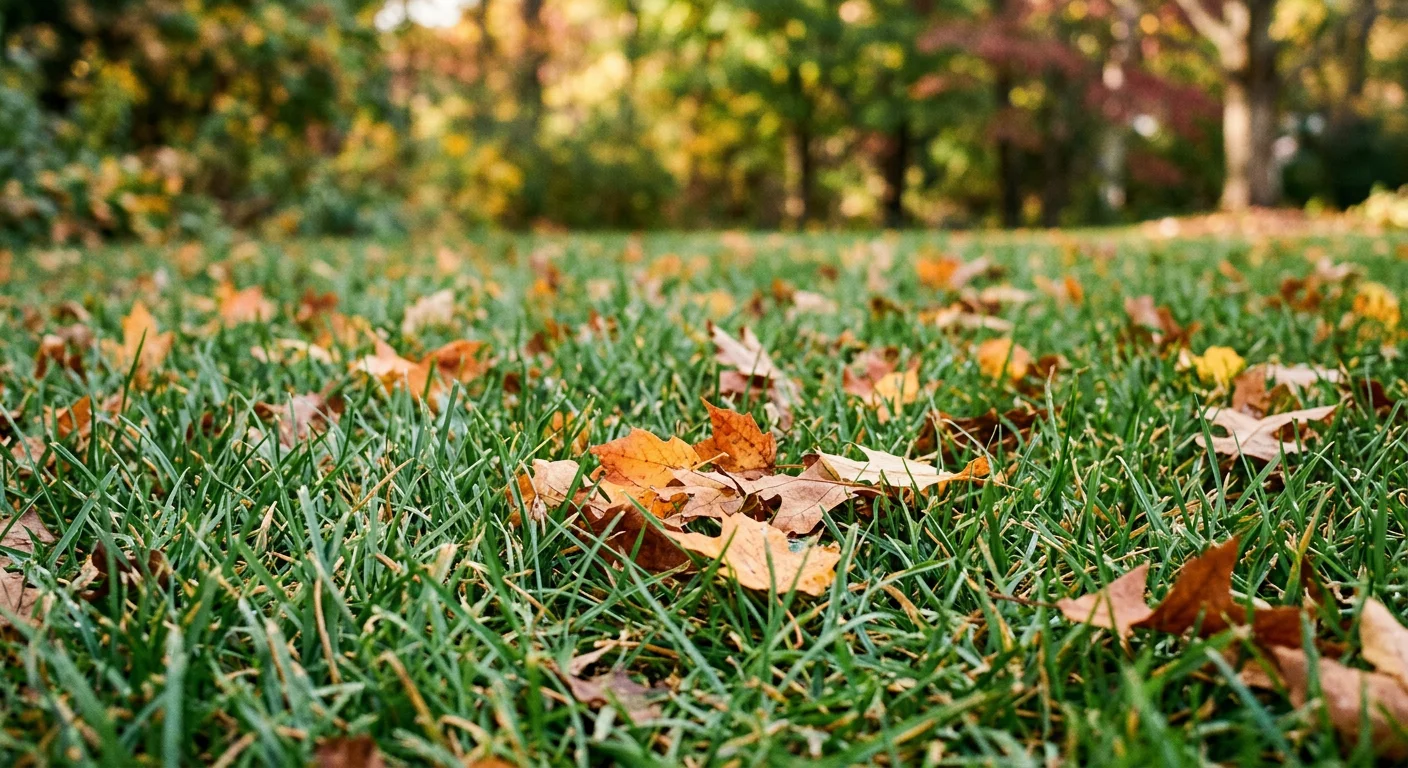
Fescue lawns stay green through much of the NC winter but growth slows significantly. Skip fertilization during dormancy, keep an eye out for winter weeds like chickweed, and avoid heavy foot traffic on frosted grass, which can damage the blades.
Common Lawn Problems We See in Burlington Yards
A few issues show up consistently in local yards: brown patch and other fungal diseases during humid summer stretches, grub and insect pressure that can quietly damage root systems before it's visible above ground, and stubborn weed pressure in lawns with compacted or thin turf. Catching these early, usually through routine inspection rather than waiting for visible damage, makes treatment far more effective and less costly.
DIY Lawn Care vs. Working with a Local Professional
Plenty of homeowners handle basic lawn care themselves, and for simple maintenance tasks that's perfectly reasonable. Where a professional service tends to make the bigger difference is in the details that are easy to get wrong from a store-bought bag: correct fertilizer timing and rate for fescue specifically, properly timed pre-emergent applications, and diagnosing disease or pest problems before they spread. Superior Green's Burlington lawn care team builds fertilization and treatment schedules around the Piedmont's specific soil and climate conditions rather than a generic national calendar.
Frequently Asked Questions About Lawn Care in Burlington
When should I fertilize my lawn in Burlington, NC?
Fall is the priority season for fescue lawns in this area, with a lighter application appropriate in spring. Summer and winter fertilization generally isn't recommended for cool-season grass. For a full breakdown of program options, see our lawn fertilization services.
Why does my lawn struggle even though I water it regularly?
Often it comes down to soil compaction rather than watering. Burlington's clay soil compacts easily, which restricts root growth regardless of how much water reaches the surface. Annual core aeration is usually the fix; our guide to lawn aeration timing in Burlington covers this in more depth.
What grass type works best in Burlington yards?
Tall fescue is the most common and reliable choice for most Piedmont lawns, thanks to its tolerance for the region's temperature swings and soil conditions.
Getting Started with Superior Green in Burlington
A healthy Burlington lawn comes down to timing the right treatments to the right season and adjusting for the Piedmont's particular soil and climate challenges. If you'd rather hand that planning off to a team that already knows the local conditions, reach out to Superior Green to talk through a plan for your yard.