
Fall Lawn Preparation Tips for North Carolina Yards
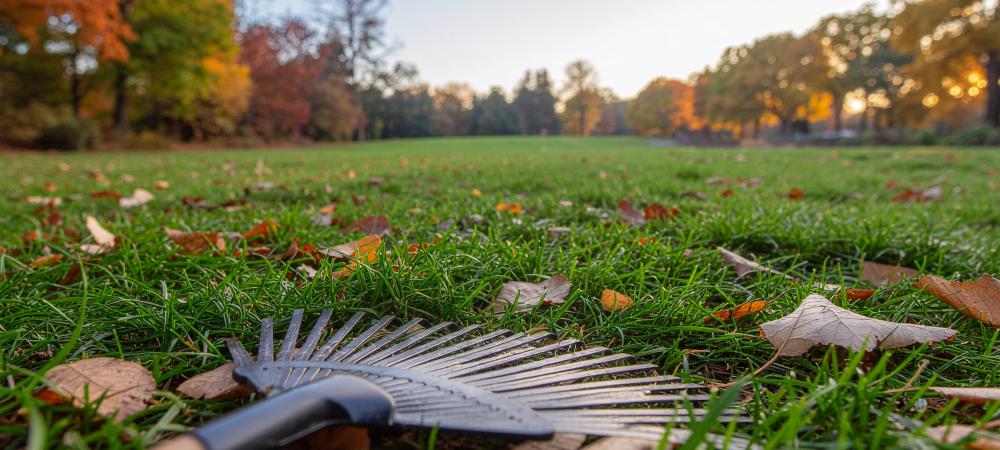
As the leaves begin to turn and cooler temperatures set in, it's the perfect time for fall lawn preparation nc to ensure your yard thrives through winter and emerges vibrant in spring. In North Carolina, where our climate can swing from mild days to frosty nights, taking proactive steps now can prevent common issues like bare patches, weed invasions, and nutrient deficiencies. At Superior Green, we specialize in tailored lawn care solutions for areas like Burlington, Hillsborough, and Mebane. Whether you're a homeowner in the Piedmont region or maintaining a larger property, these nc yard tips will help you build a resilient lawn. Let's dive into essential strategies, drawing from expert resources like the NC State Extension's Carolina Lawns guide (target="_blank" rel="noopener") for proven advice.
Understanding the Importance of Soil Preparation in Fall
One of the foundational steps in fall lawn preparation nc is soil preparation, which sets the stage for healthy root growth during the dormant winter months. North Carolina soils often vary from clay-heavy in the Triangle area to sandier compositions further east, so start with a soil test to check pH levels and nutrient balances. Aim for a pH between 6.0 and 7.0 for optimal turf health—anything lower might require lime applications.
Begin by aerating your lawn to alleviate compaction, especially if you've had heavy foot traffic over the summer. This process creates small holes in the soil, allowing air, water, and nutrients to penetrate deeper. For nc yard tips on timing, perform aeration in early fall when temperatures drop below 80°F, typically September to October in our state. Follow up with topdressing using a thin layer of compost or sand to improve soil structure. This not only enhances drainage but also introduces organic matter that feeds beneficial microbes. Avoid heavy fertilization now; instead, focus on a light application of a slow-release product high in potassium to strengthen roots against winter stress. By prioritizing soil prep, you'll reduce the risk of diseases and promote a thicker turf come spring.
Mastering Overseeding for a Lush NC Lawn
Overseeding nc lawns in fall is a game-changer for filling in thin spots and introducing hardy grass varieties suited to our transitional climate. Cool-season grasses like tall fescue or Kentucky bluegrass perform best here, as they germinate well in the cooler weather and establish roots before winter. The ideal window for overseeding nc is mid-September to mid-October, when soil temperatures hover around 55-65°F—check local forecasts or use a soil thermometer for precision.
Prepare by mowing your lawn short (about 2 inches) and raking away debris. Spread seeds at a rate of 5-10 pounds per 1,000 square feet, depending on your grass type, and lightly rake them into the soil for good contact. Water consistently but lightly to keep the top inch moist until germination, which usually takes 7-14 days. Combine this with core aeration for better results, as the holes provide perfect seed beds. If you're in Mebane or nearby, our team at Superior Green can handle professional overseeding nc—visit our lawn care Mebane page to learn more about customized plans that include seed selection based on your yard's sun exposure and soil type.
Effective Fall Weed Control Strategies
No fall lawn preparation nc is complete without addressing fall weed control, as autumn is when many broadleaf weeds like dandelions and chickweed start to germinate. These invaders compete with your grass for resources, so early intervention is key. Start with cultural practices: maintain a mowing height of 3-4 inches to shade out weed seeds, and avoid overwatering, which can encourage fungal issues alongside weeds.
For targeted fall weed control, apply a pre-emergent herbicide in early fall to prevent seeds from sprouting—opt for products safe for NC's common turf types. If weeds are already present, spot-treat with post-emergent options, but always follow label instructions to protect pollinators and waterways. Integrating nc yard tips like mulching around beds can also suppress weeds naturally. For persistent problems, professional help ensures safe, effective treatment without harming your lawn. Explore our full range of services or get in touch via our contact page for a free consultation on fall weed control tailored to Hillsborough or Burlington yards.
Managing Leaves and Debris for Winter Readiness
Leaf management is often overlooked in fall lawn preparation nc, but allowing fallen leaves to accumulate can smother grass, leading to dead spots and mold. In North Carolina's deciduous-heavy areas, rake or mulch leaves weekly during peak fall. Use a mulching mower to chop them into fine pieces that decompose and add nutrients back to the soil—aim for no more than a half-inch layer at a time.
If leaves are thick, compost them separately to avoid matting. This practice not only keeps your lawn breathing but also prevents pest harbors over winter. Pair it with a final light fertilization around Thanksgiving (for cool-season grasses) to boost resilience. These nc yard tips promote a healthier ecosystem, reducing the need for chemical inputs.
By following these fall lawn preparation nc steps, you'll enjoy a greener, more robust yard next year. At Superior Green, we're committed to eco-friendly practices that align with North Carolina's unique environment. Ready to elevate your lawn? Schedule a service today and let us handle the details for lasting results.