
How to Spot and Treat Lawn Grubs in NC This Summer
Late summer is peak pest season for lawns across the North Carolina piedmont. As temperatures stay high and grass comes under stress, lawn grubs and other summer insects start doing real damage to yards in Mebane, NC, Burlington, NC, Hillsborough, NC, Chapel Hill, NC, and Graham, NC. Catching the warning signs early can save your lawn from weeks of repair.
This guide covers how to spot lawn grubs nc homeowners deal with most, how to tell pest damage apart from other lawn problems, and when it's time to call a professional.
Why Late Summer Is Peak Pest Season in NC
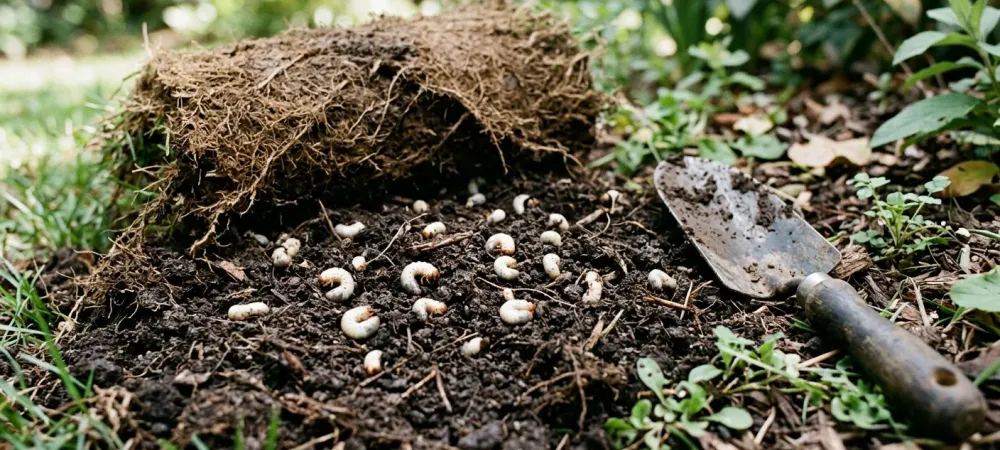
Grubs are the larvae of beetles like the Japanese beetle. Adult beetles lay eggs in lawns during mid to late summer. Those eggs hatch into grubs that feed on grass roots just below the surface.
Warm, humid conditions across the piedmont make this the ideal window for grub activity. At the same time, chinch bugs and sod webworms become more active as heat stress weakens turf and makes it easier to damage. This is why late July through August tends to be the worst stretch of the year for NC lawn pests.
How to Tell Grub Damage from Disease or Drought Stress
Brown patches can come from several causes, and it helps to know which one you're dealing with before treating your lawn.
Signs that point to grubs:
- Turf lifts easily like loose carpet, since roots have been eaten away.
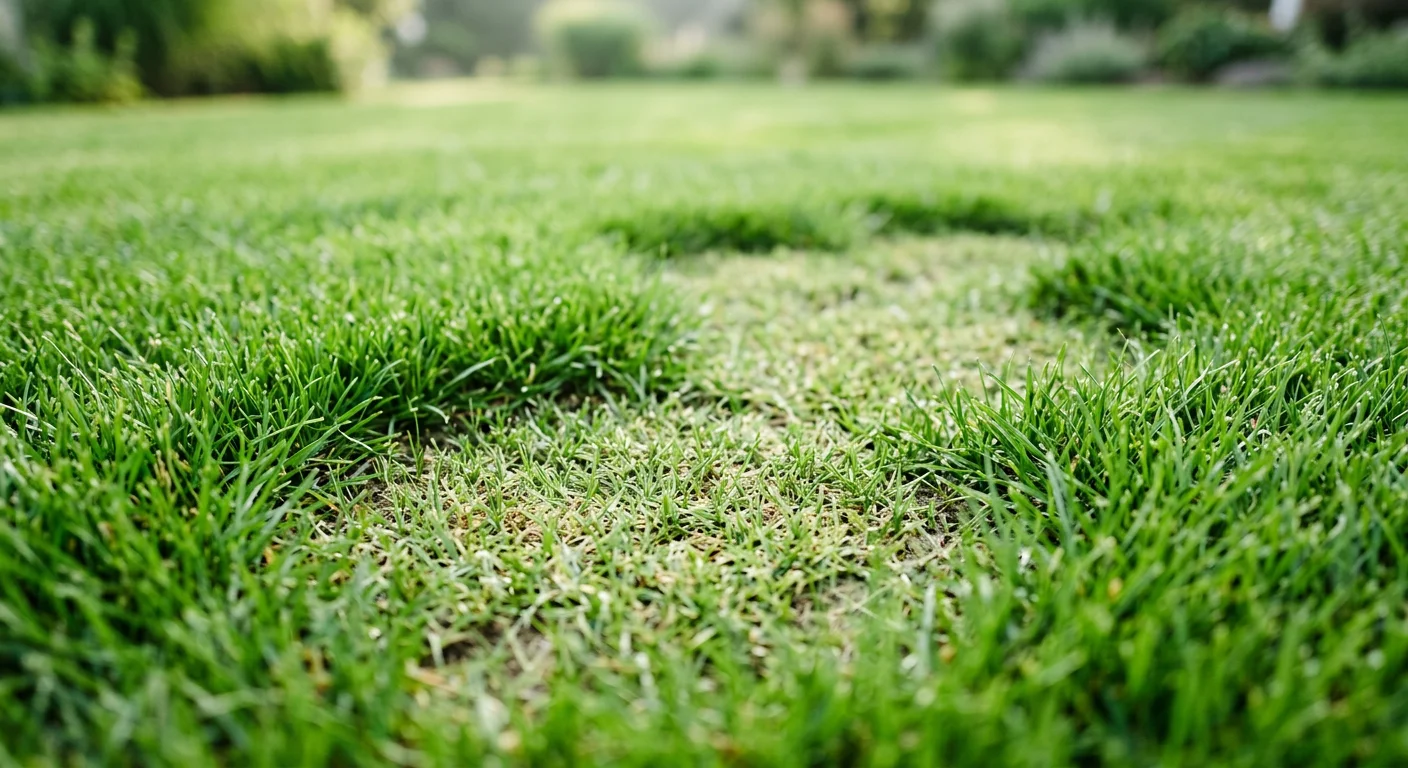
- Brown patches appear irregular and spread slowly over several weeks.
- You may spot birds, moles, or armadillos digging in the lawn, since they feed on grubs.
Signs that point to disease or drought:
- Grass stays rooted firmly even in brown areas.
- Damage often follows a clear pattern, such as a ring or a strip that matches a dry zone or watering gap.
- Blades may show spots, discoloration, or a slimy texture, which usually signals fungal disease rather than insects.
If you're not sure which one you're seeing, a simple tug test on the turf is a good first step. Grub-damaged turf will pull away easily.
Common Lawn Pests in NC Piedmont Lawns
A few insects cause most of the summer damage homeowners see across the region:
- Grubs: White, C-shaped larvae that feed on grass roots just under the soil surface. The most common cause of sudden brown patches in late summer.
- Chinch bugs: Small insects that feed on grass blades and thrive in hot, dry conditions. Damage often shows up first near sidewalks and driveways, where heat collects.
- Sod webworms: Caterpillar-like larvae that chew grass blades close to the surface, leaving thin, winding brown trails through the lawn.
Each of these pests responds to a different treatment window, which is why an accurate diagnosis matters before applying anything to your lawn.
When to Call a Professional
A few brown spots don't always mean a serious problem. But a few signs suggest it's time to bring in help rather than wait it out:
- Damage keeps spreading week over week despite regular watering.
- Turf lifts easily across a wide area, not just one small patch.
- You've ruled out drought and disease but the lawn keeps declining.
Professional grub control nc treatment is timed to the pest's life cycle, which matters more than most homeowners expect. Treating too early or too late can mean the product does little good.
Superior Green provides professional lawn pest control for lawns throughout Mebane, NC, Burlington, NC, Hillsborough, NC, Chapel Hill, NC, and Graham, NC. Our team identifies the specific pest at work before recommending treatment, so you're not guessing at the cause.
If your lawn is in the Hillsborough, NC area specifically, you can also see our full range of local lawn care services on our lawn care in Hillsborough, NC page.
Protect Your Lawn This Summer
Grubs, chinch bugs, and sod webworms all cause real damage if left untreated through the rest of the summer. The earlier you catch the signs, the less repair your lawn needs going into fall.
If you're seeing brown patches, thinning turf, or increased animal activity in your yard, don't wait for it to spread. Get a free quote and let Superior Green take a look before the damage gets worse.
For more on identifying common turf pests, see the NC State Extension's guide to lawn insect pests.