
NC Summer Lawn Care: How to Keep Your Grass Healthy in Heat and Drought
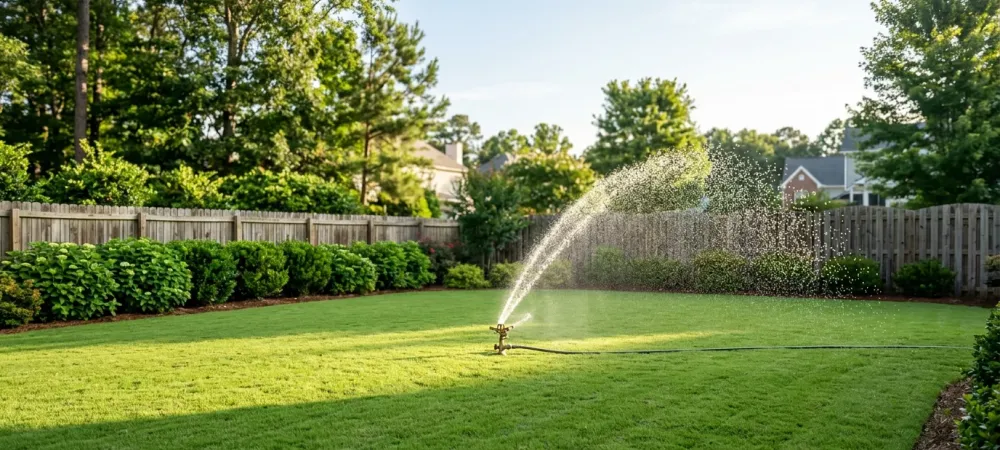
North Carolina summers do not go easy on lawns. From late June through August, piedmont yards face triple-digit heat indexes, stretches of no rain, and humidity that swings between extremes. Whether you have a fescue lawn that wilts under July sun or a Bermuda turf that needs precise summer feeding, summer lawn care in NC follows a different set of rules than the rest of the year.
This guide covers what actually works, including how to water, when to fertilize, how to read early stress signals, and when a professional team is the smarter call.
Why NC Summers Are Hard on Lawns
NC's piedmont climate creates a specific problem for lawns: heat and humidity arrive together.
Fescue grass is a cool-season turf. It grows best below 75 degrees Fahrenheit, so July and August put it into a survival mode called summer dormancy. Pushing it with fertilizer or heavy foot traffic during dormancy can cause real damage.
Warm-season grasses like Bermuda and Zoysia handle the heat better, but they have their own summer demands, including consistent moisture and careful fertilization timing to avoid burning.
Two more threats peak in summer: lawn fungal disease and insect pressure. Brown patch fungus, pythium blight, and sod webworms all thrive when temperatures stay above 80 degrees with high humidity at night. A lawn under water or heat stress is more vulnerable to both. For more on disease symptoms, see our guide to lawn disease control in NC.
Watering Your Lawn the Right Way This Summer
Watering is where most summer lawn problems start. Overwatering encourages fungal disease. Underwatering leads to dormancy and thinning. The goal is consistent, deep moisture without excess.
How Much Water Does Your Lawn Need?
Most NC lawns need about one inch of water per week in summer. That includes rainfall. A simple rain gauge in your yard gives you an accurate read so you are not guessing.
Here is a quick reference by grass type:
- Fescue: 1 to 1.25 inches per week, more during prolonged heat. Fescue roots run shallow, so it shows drought stress faster.
- Bermuda: 0.75 to 1 inch per week. Bermuda is more drought-tolerant but stalls without consistent moisture.
- Zoysia: 0.5 to 1 inch per week. Zoysia goes dormant during drought but recovers well once rain returns.
The Best Time to Water in Summer
Water in the early morning, between 5 a.m. and 9 a.m. This gives blades time to dry before evening, which reduces the risk of fungal disease.
Avoid watering at night. Wet grass sitting in warm overnight humidity is the exact condition that triggers brown patch and other fungal problems common in NC summers.
Water deeply and less often rather than lightly every day. Deep, infrequent watering encourages roots to grow downward, which makes the lawn more resilient during dry spells.
The NC State Extension turfgrass watering guide provides science-backed recommendations specific to NC grass types and seasonal conditions.
Fertilization Timing in the Summer Heat
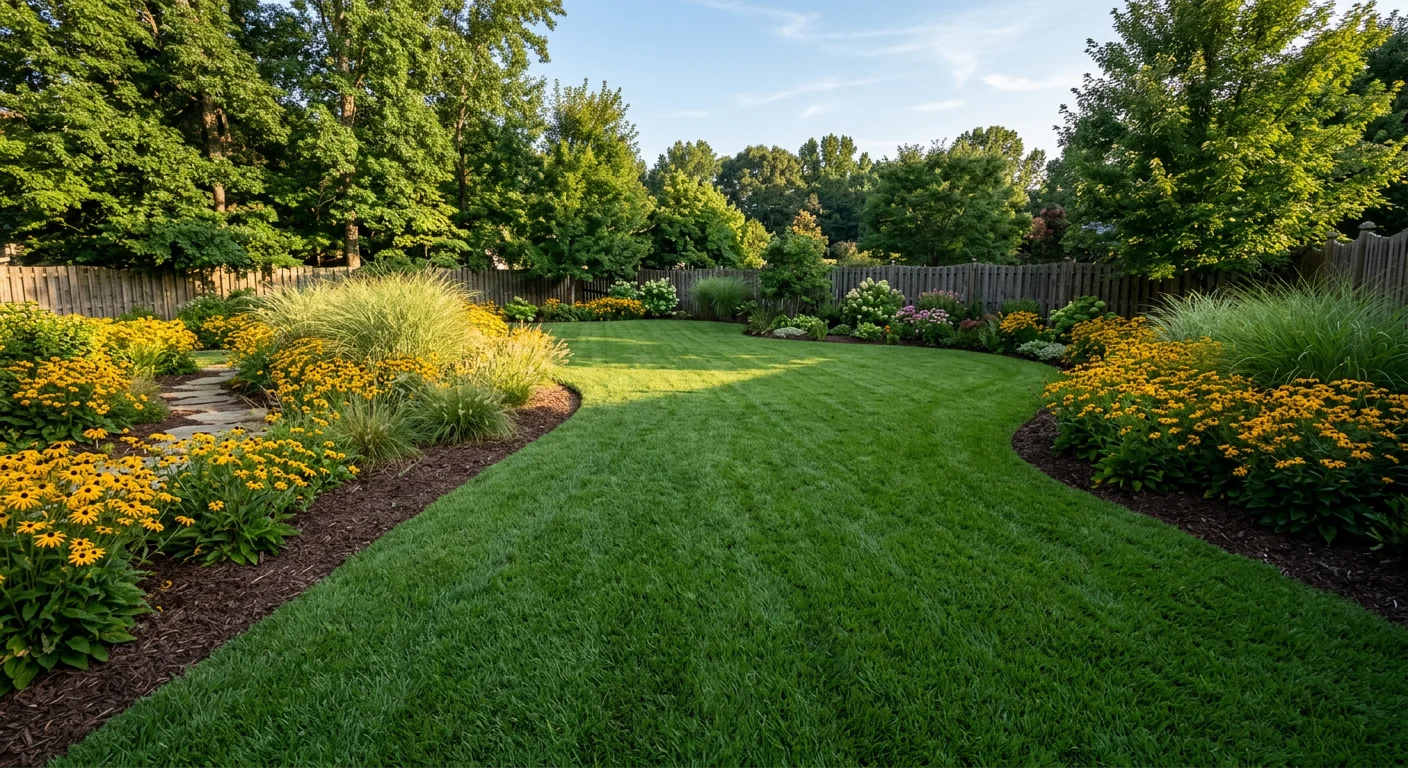
Getting fertilization wrong in summer can burn your lawn or push growth at the wrong time. The timing rules differ sharply by grass type.
For fescue lawns:
Do not fertilize fescue in July or August. Fescue is dormant or stressed during peak summer, and fertilizing it forces tender new growth that cannot survive the heat. Wait until September, when temperatures cool and the grass is ready to grow again.
For warm-season lawns (Bermuda, Zoysia):
Summer is the active growing season for these grasses. A light application of slow-release nitrogen fertilizer in June or early July supports healthy growth without burning the turf. Avoid heavy applications after mid-July, as late-season nitrogen can delay hardening before fall.
A few rules that apply to all grass types in summer:
- Never fertilize drought-stressed turf. Water the lawn thoroughly a day or two beforehand.
- Avoid fertilizing before a stretch of forecasted 95-plus-degree heat.
- Use slow-release formulas to reduce the risk of burning.
If you are unsure what your lawn needs, our team serving Mebane, NC and surrounding areas can assess soil conditions and recommend the right timing.
How to Spot Summer Lawn Stress Early
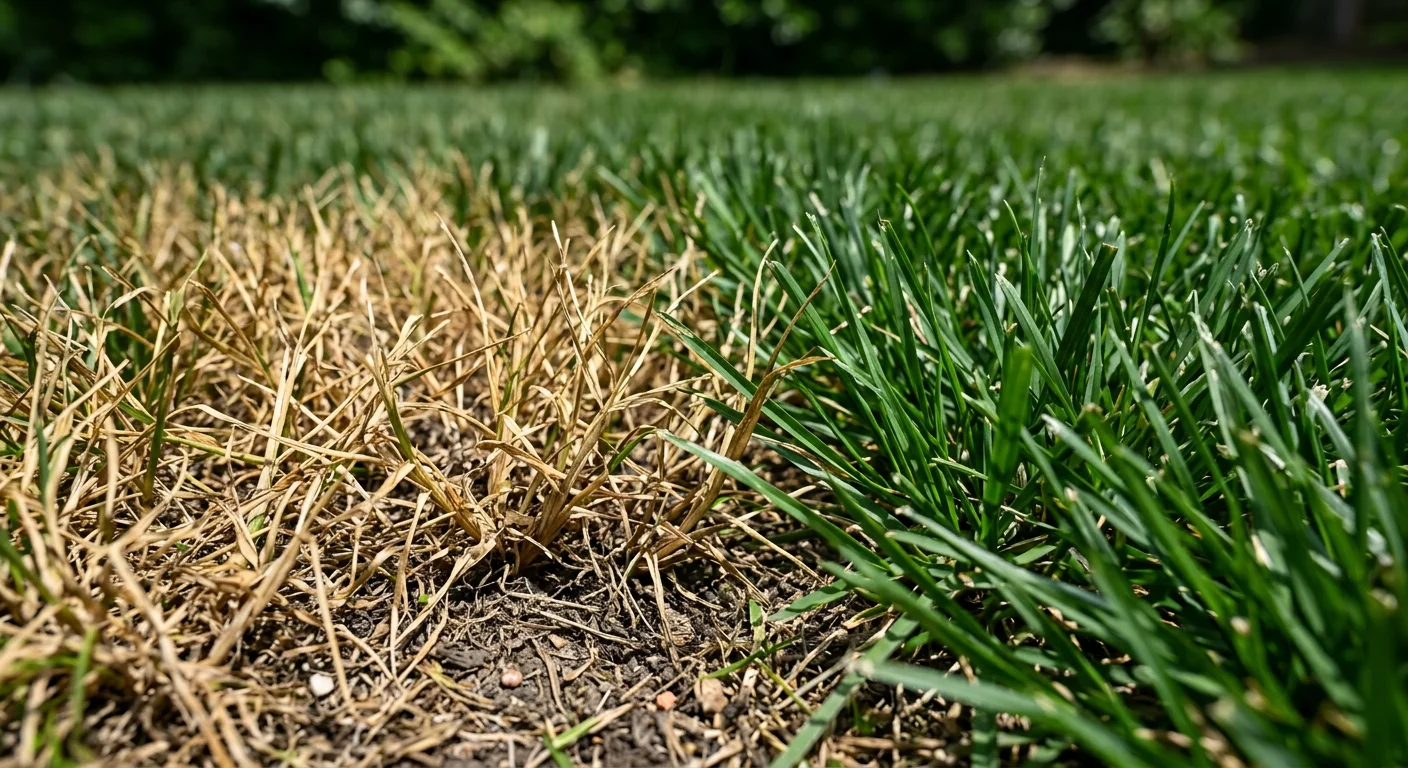
Catching stress early is the difference between a lawn that recovers and one that does not. Most homeowners wait too long to act.
Signs Your Lawn Is Struggling
Watch for these warning signs during summer:
- Footprint test fails: Walk across your lawn, then look back. If your footprints stay visible for more than a few seconds instead of springing back, the grass is dehydrated.
- Bluish-gray color: Turf that looks slightly blue-gray rather than green is entering drought stress. This happens before visible browning.
- Irregular brown patches: Circular or irregular patches of brown grass, especially in shaded or low-lying areas, may signal fungal disease rather than drought. Drought stress tends to brown evenly across open, sunny areas.
- Thinning in high-traffic areas: Summer heat speeds up turf wear in spots where foot traffic is heavy.
If you see signs that look like disease, do not wait. Fungal issues spread quickly in NC's humid summer conditions. Our lawn disease treatment services cover the full range of common piedmont turf diseases.
When to Call a Lawn Care Professional
There are things a homeowner can manage well: adjusting the irrigation schedule, pulling visible weeds, and raising the mower height to reduce heat stress on the turf.
There are others where professional intervention pays off:
- Identifying whether browning is from drought, disease, or insect damage (the treatments are completely different)
- Grub and surface insect treatment, which peaks in late July and August across the NC piedmont
- Fungicide applications for brown patch or pythium blight
- Determining whether a fescue lawn is dormant versus dying
Getting the diagnosis wrong costs time and money. A lawn that appears drought-stressed may actually have sod webworms feeding on the root zone beneath the surface.
Superior Green serves Burlington, NC, Mebane, Hillsborough, Chapel Hill, and Graham. Our team works in these communities daily and understands the specific grass types, soil conditions, and seasonal patterns in the area.
Keep Your NC Lawn Thriving All Summer
Summer lawn care in NC comes down to three things: water correctly, time fertilization to your grass type, and catch stress signals before they become damage.
Fescue lawns need protection from heat, not pushing. Warm-season grasses need consistent moisture and a well-timed summer feeding. All lawns need monitoring for the disease and insect pressure that peaks from June through August in the NC piedmont.
If your lawn is struggling or you want a professional assessment before the worst of summer heat arrives, request a free quote from Superior Green. We serve Central NC homeowners who want results they can see from the street.