
Summer Weed Control in NC: How to Beat Crabgrass, Nutsedge and Broadleaf Weeds
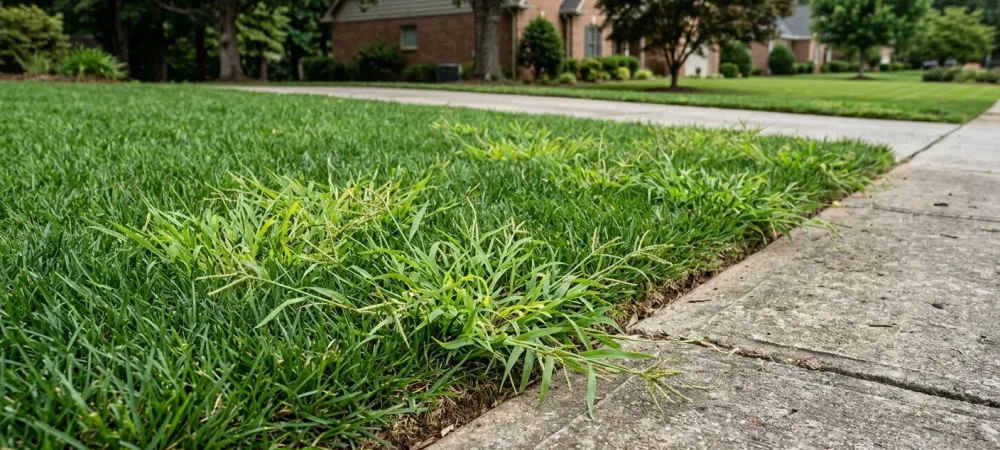
Weed control in NC summers is one of the toughest lawn care challenges homeowners face. By June, warm temperatures and afternoon humidity create near-perfect conditions for opportunistic weeds. They move fast. And once they establish, they compete directly with your grass for water, sunlight, and nutrients.
The good news is that understanding the main culprits makes it much easier to act early. Here's what you need to know about the three most common summer weeds in North Carolina and how to deal with them.
Why Summer Is Weed Season in North Carolina
North Carolina summers are warm and humid. That combination is hard on cool-season fescue lawns and ideal for warm-season weeds.
Crabgrass seeds begin to germinate when soil temperatures reach about 55 degrees Fahrenheit for several consecutive days. Nutsedge loves wet conditions after summer rains. Broadleaf weeds like spurge and oxalis thrive in compacted, thinning turf.
A few key factors that make NC lawns especially vulnerable in summer:
- Thinning grass from heat stress creates open soil where weeds take root
- Clay soils common in the Piedmont hold moisture that favors certain weeds
- Over-watering or inconsistent watering weakens turf and invites pressure
- Gaps left by disease or insect damage open the door for weed colonization
Addressing weeds now, before they go to seed, is the most effective strategy.
The Three Weeds You're Up Against
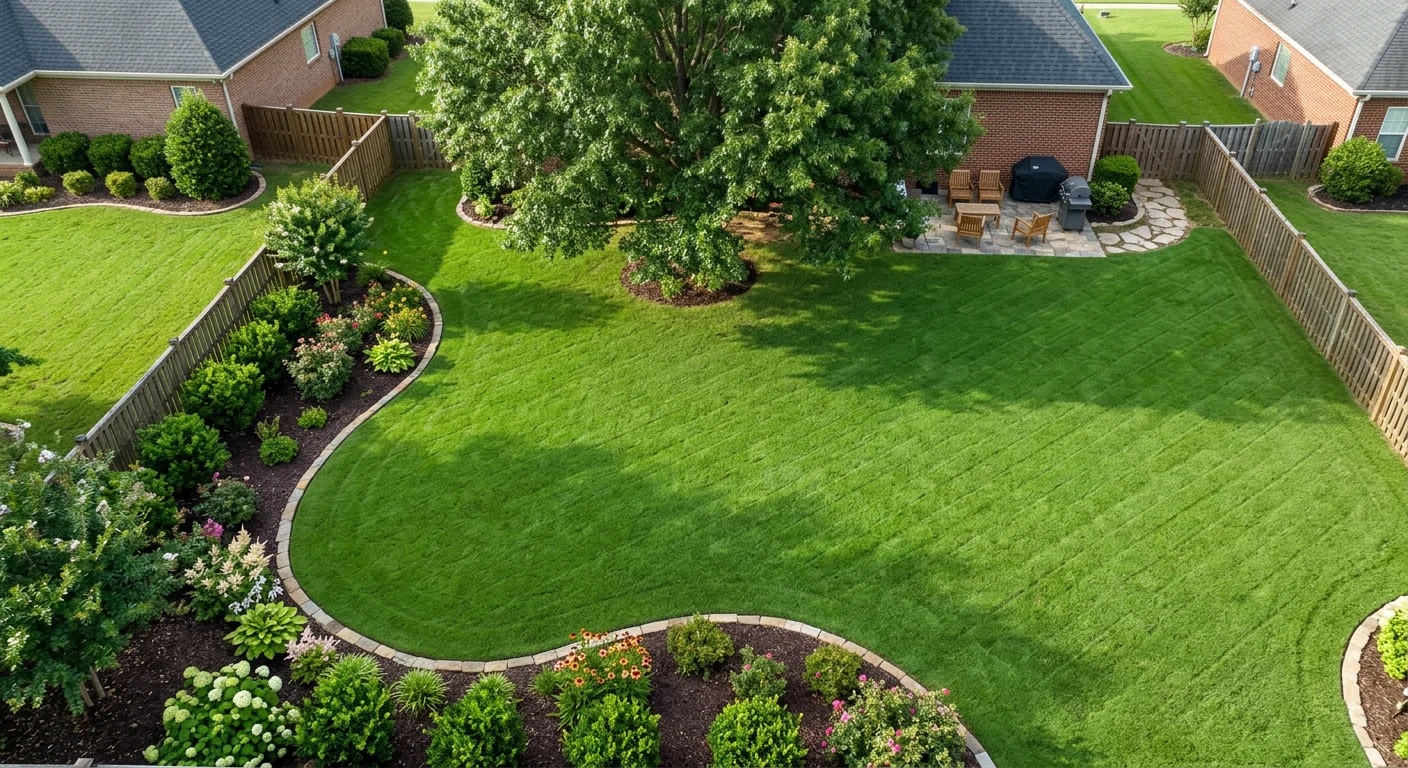
Most NC homeowners are dealing with some combination of three weed types during the summer months. Each requires a different approach.
Crabgrass
Crabgrass is the most common summer weed in North Carolina. It is an annual grassy weed that germinates in late spring and becomes visible by June. It grows low and wide, spreading from a central point in a crab-like pattern.
It thrives in thin turf, bare patches, and areas along driveways or sidewalks where soil heats up faster. One plant can produce up to 150,000 seeds before the season ends, so getting ahead of it is important.
The most effective tool against crabgrass is a pre-emergent herbicide applied in early spring before soil temperatures warm. If you are already seeing it in June, post-emergent treatments can suppress it, but results depend on how mature the plants are.
Nutsedge
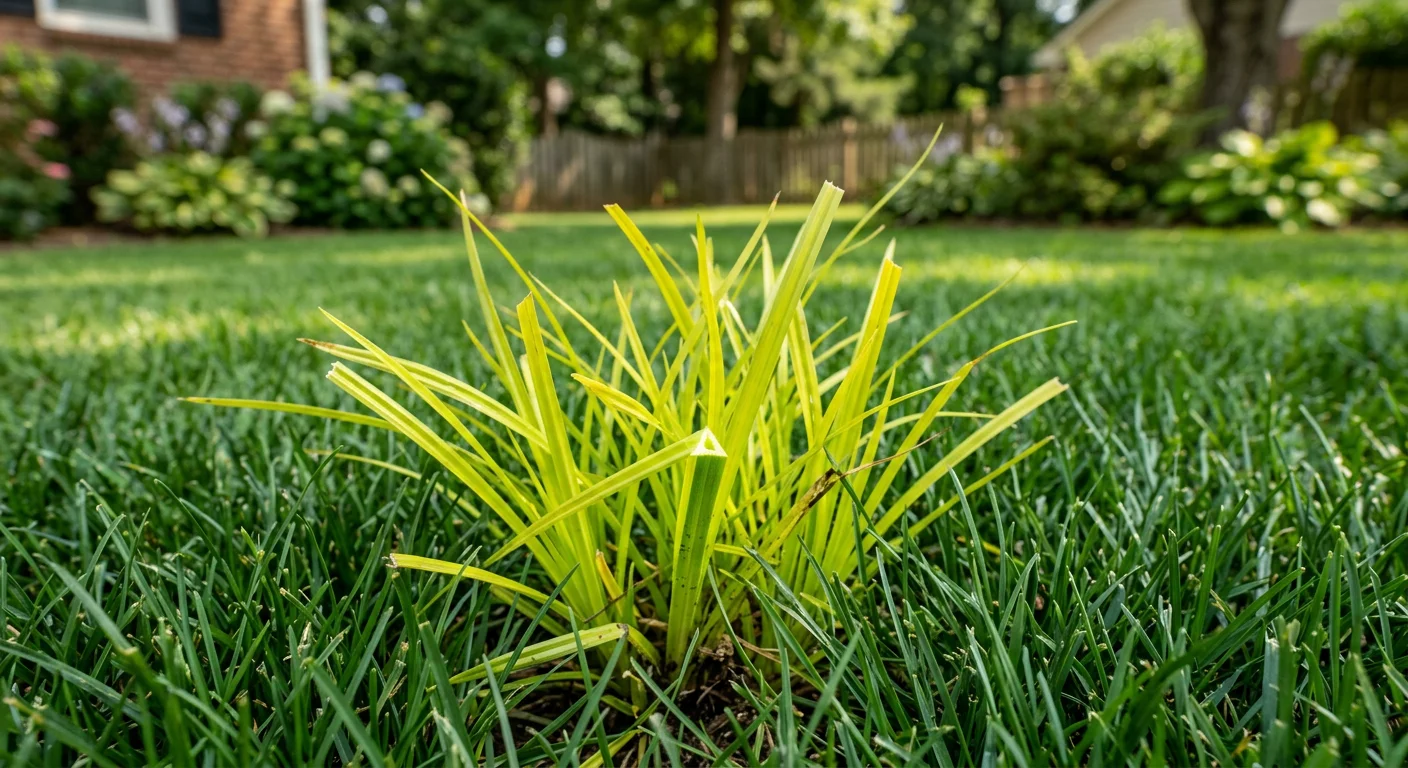
Nutsedge is a sedge, not a true grass, which is why standard lawn herbicides often do not touch it. It has a distinctive triangular stem and grows noticeably faster than surrounding turf, giving lawns an uneven look within days of mowing.
Yellow nutsedge is the most common variety in NC. It shows up in low areas, near irrigation zones, and anywhere the soil stays damp after rain. Purple nutsedge is less common but more aggressive.
Nutsedge spreads through underground tubers called nutlets. Pulling it by hand often makes it worse by spreading those tubers. Selective post-emergent herbicides labeled for sedge control are the right approach, but timing and repeat applications matter.
Broadleaf Weeds
Broadleaf weeds include a wide range, from spotted spurge and common oxalis to wild violet and lespedeza. They often signal turf that has thinned from summer stress or poor soil health.
Unlike grassy weeds, broadleaf weeds are generally easier to identify and treat with selective post-emergent herbicides that target them without harming turf grass. However, they tend to come back if the underlying lawn health issue is not addressed.
The NC State Extension weed management guide offers a helpful reference for identifying specific species common to the region.
Post-Emergent vs. Pre-Emergent Treatments
One of the most common questions homeowners ask is whether to use a pre-emergent or post-emergent herbicide. The short answer is that it depends on where you are in the season.
Pre-emergent herbicides work by preventing weed seeds from germinating. They are most effective when applied in late winter to early spring, before soil temperatures climb. If you missed the window, pre-emergents will not help much with what is already growing.
Post-emergent herbicides target weeds that are already visible. They work best on young, actively growing plants. The older and more established a weed becomes, the harder it is to control with post-emergent treatments.
A few things to keep in mind:
- The wrong herbicide can damage your turf grass, especially Bermuda or fescue
- NC summers mean weeds grow fast, so timing applications correctly matters
- Some weeds, like nutsedge, require specialty herbicides not found in general lawn products
- Re-treatment is often needed, particularly for nutsedge and perennial broadleaf weeds
Getting the right product and applying it at the right time is a big part of why professional lawn weed control produces more consistent results than DIY efforts.
When to Call a Lawn Care Professional
If weeds are widespread, coming back after treatment, or you are unsure what you are dealing with, a professional lawn care team can make the job significantly more effective.
Superior Green's lawn care teams in Mebane, NC, Hillsborough, NC, and Burlington, NC provide targeted weed control as part of a complete lawn care program. That means the treatment is tailored to your specific grass type, your soil conditions, and the weeds you are actually dealing with.
Summer is also a time when lawn disease and weed pressure often show up together. Fungal disease weakens turf, which opens it to weed invasion. Treating one without addressing the other tends to produce short-term results at best.
Signs it is time to call for professional lawn weed control:
- Weeds cover more than 20 to 30 percent of the lawn
- You have treated the same area multiple times without success
- You are unsure whether what you are seeing is a weed, a disease, or a grass variety
- The lawn has recurring bare patches where weeds keep coming back
Get Ahead of Summer Weeds This Season
Lawn weed control near me is one of the most searched lawn care terms in NC during June and July, and for good reason. Summer moves quickly and so do weeds.
The window for effective control is narrower than most homeowners expect. Acting now, before weeds mature and go to seed, gives you the best chance of going into fall with a healthier, denser lawn.
Superior Green serves homeowners across central North Carolina, including Mebane, Burlington, Hillsborough, Chapel Hill, and Graham. Request a free quote and get a plan in place before summer heat reaches its peak.