
Best Time to Start Spring Fertilization in Chapel Hill, NC
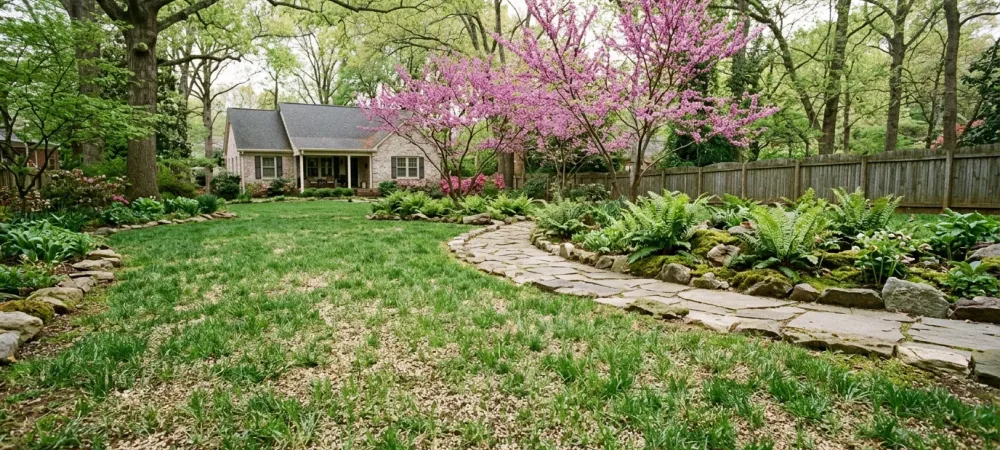
Spring fertilization in Chapel Hill, NC helps lawns recover from winter and prepare for the growing season. Timing makes the difference between a thin, stressed yard and a thick, resilient one.
Most lawns here use cool-season grasses such as tall fescue. These grasses grow best in spring and fall. A well-timed application supplies the nutrients they need right when growth begins.
Why Spring Fertilization Matters for Chapel Hill, NC Lawns
Fertilizer delivers nitrogen, phosphorus, and potassium. These elements strengthen roots, improve color, and increase density. When applied at the right moment, they also reduce weed pressure later in the year.
Chapel Hill’s Piedmont climate brings mild winters and warm, humid summers. This pattern means cool-season grasses need an early boost before the heat arrives.
The Best Time to Fertilize
Aim for mid-March to early April in a typical year. This window matches when soil temperatures reach 50–55°F and grass starts active growth.
Apply too soon and nutrients sit unused in cold soil. Wait too long and summer stress reduces uptake.
Soil Temperature Guide
Use a simple soil thermometer or check local weather data. Consistent readings above 50°F signal it is time.
Local Weather Signals
Forsythia blooming is a reliable local cue. Light rain after application also helps nutrients reach the roots.
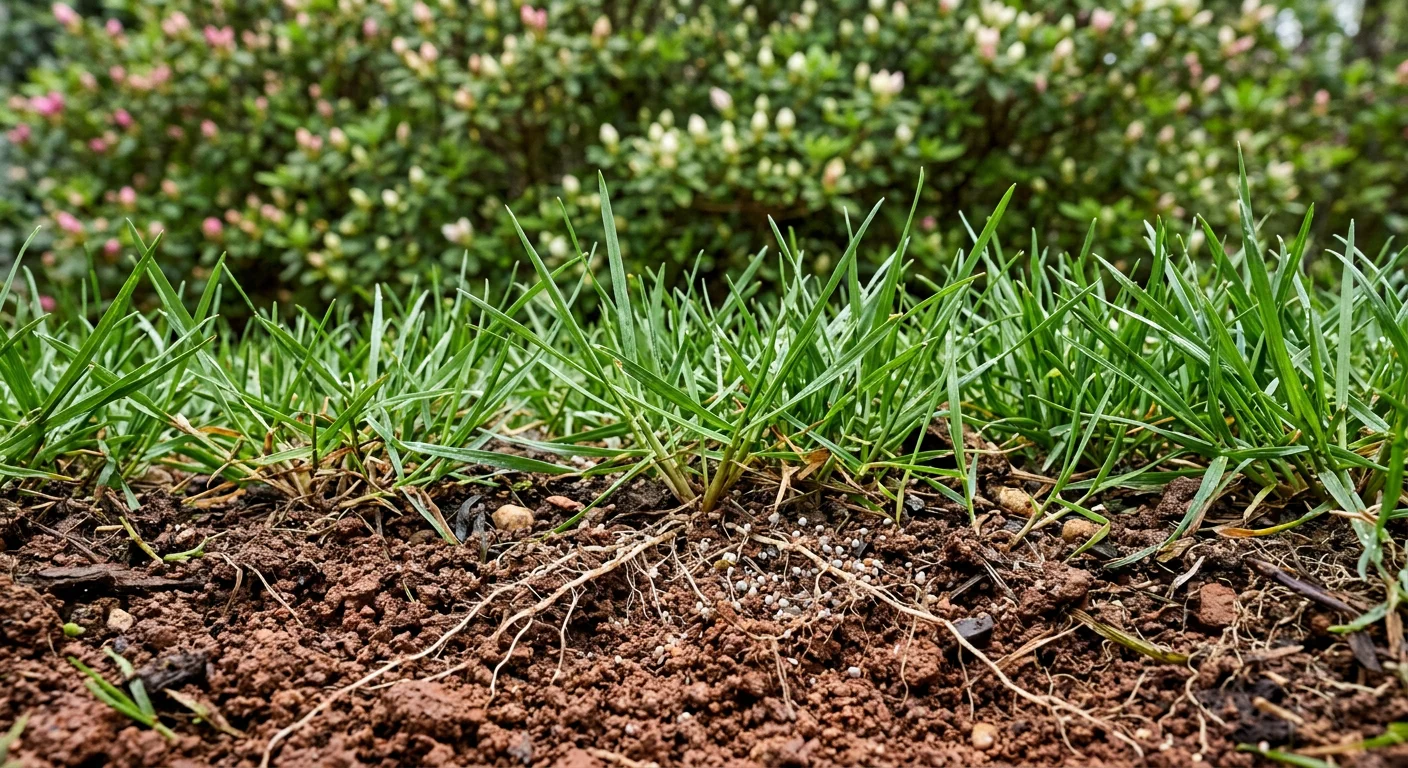
How to Apply Fertilizer Correctly
Follow these steps for even results:
- Mow the lawn to normal height first.
- Use a broadcast spreader for uniform coverage.
- Apply 0.5 to 1 pound of nitrogen per 1,000 square feet.
- Water lightly afterward unless using a slow-release product.
A soil test from NC State Extension tells you exactly what your lawn needs. Many Chapel Hill yards benefit from extra nitrogen in spring.
Benefits You Will See
Proper timing produces:
- Thicker, greener turf within weeks
- Stronger roots that handle summer drought
- Fewer weeds and pests
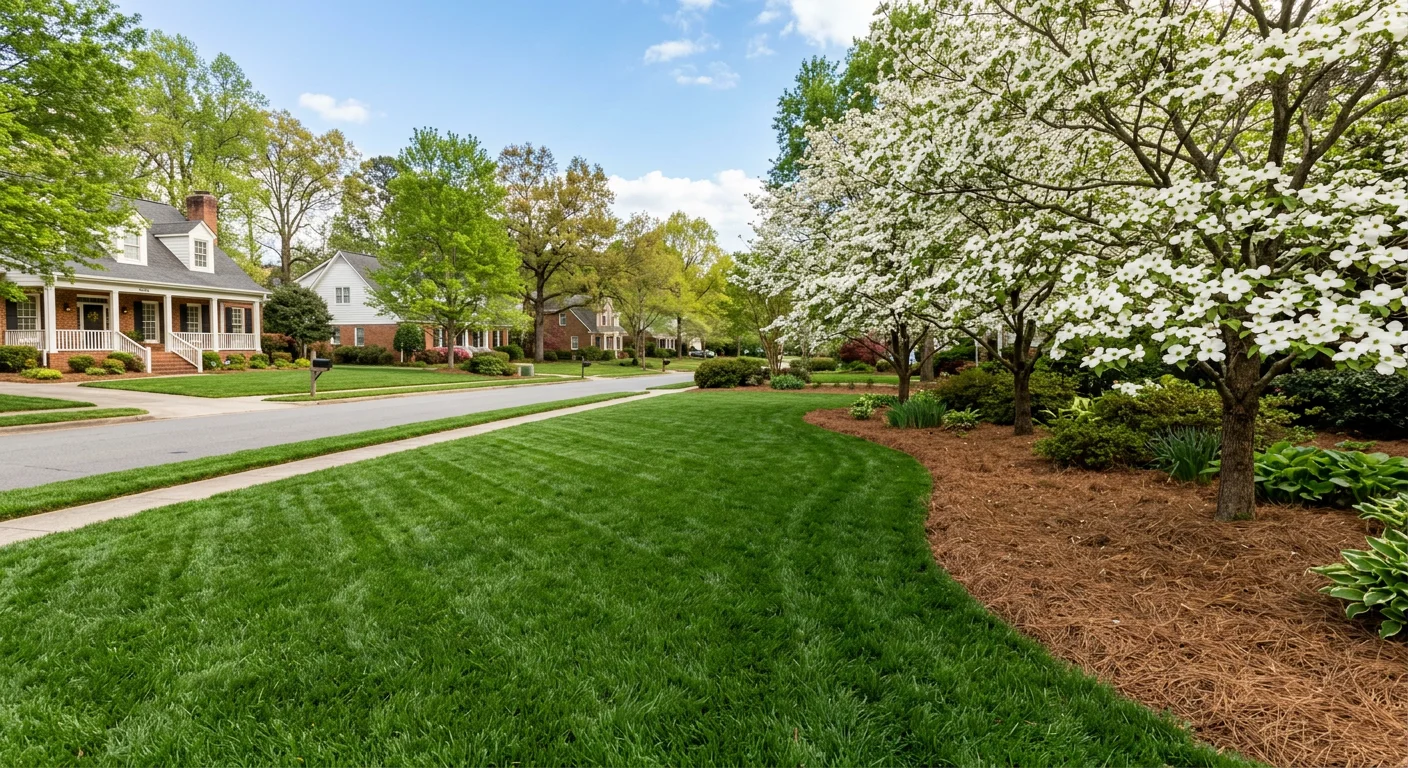
NC State research shows well-fertilized cool-season lawns can increase density by 20–30%. This creates a healthier yard that needs less maintenance overall.
Frequently Asked Questions
What is the best time to fertilize lawn in Chapel Hill, NC? Mid-March to early April works best for most tall fescue lawns. Check soil temperature to confirm.
How often should I fertilize in spring? One application is usually enough. A soil test helps you decide if a second lighter feeding is needed.
What fertilizer works for tall fescue in NC? Slow-release formulas with a 4-1-2 or similar ratio perform well. Avoid high-phosphorus products unless your soil test shows a need.
Can I do spring fertilization myself? Yes. With the right tools and timing you can achieve excellent results. For consistent professional care, Superior Green offers tailored fertilization programs.
Ready to give your lawn the strong start it deserves? Visit our lawn fertilization services page or the Chapel Hill lawn care page. Contact us today to schedule a free quote.