
Identifying and Treating Common Winter Lawn Pests in NC
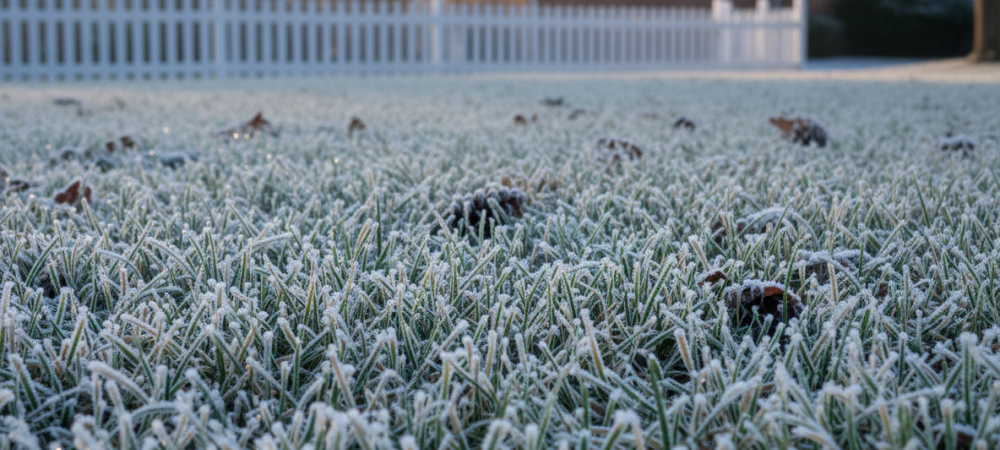
As temperatures drop in North Carolina, many homeowners assume their yards are safe from pests until spring. However, winter lawn pests nc can still cause significant damage, burrowing underground or feeding on dormant grass roots. Understanding how to identify and treat these invaders is essential for maintaining a healthy lawn through the colder months. At Superior Green Lawn, we specialize in tailored solutions to protect your yard, drawing from our experience serving areas like Mebane, Hillsborough, and Burlington.
In this guide, we'll explore common nc winter yard pests, signs of infestation, and effective lawn pest treatment winter strategies. By staying proactive, you can prevent costly repairs and ensure your grass rebounds strong in the warmer seasons.
Common Winter Lawn Pests in North Carolina
North Carolina's mild winters create ideal conditions for several common pests nc that remain active or overwinter in lawns. Here are some of the most prevalent ones:
- Moles: These tunneling mammals aren't direct plant eaters but create extensive burrow systems while hunting for insects. In winter, moles stay active under the soil, causing raised ridges and uneven turf. Look for fresh mounds of soil, especially after rain, as a key sign of activity.
- Grubs (Larvae of Beetles): Japanese beetle grubs and other larvae overwinter deep in the soil, feeding on grass roots. This weakens the lawn, leading to brown patches that pull up easily like loose carpet. Infestations are more noticeable in late fall or early winter when grubs are at their largest.
- Voles: Often confused with moles, voles are small rodents that create shallow runways just under the grass surface. They feed on roots and stems, leaving narrow trails and chewed vegetation. Snow cover can hide their paths, but damage becomes evident as it melts.
- Army Worms and Cutworms: While less active in deep winter, these caterpillars can emerge during mild spells, chewing grass blades at night. Signs include irregular brown spots and visible worms in the thatch layer.
These pests thrive in NC's clay-heavy soils and fluctuating temperatures, making early detection crucial. If you're unsure about an infestation, inspecting your yard regularly—especially after thawing periods—can help catch issues before they escalate.
Identifying Signs of Winter Pest Damage
Spotting winter lawn pests nc early allows for targeted intervention. Start by walking your yard and looking for these indicators:
- Tunnels and Mounds: Raised soil lines or volcano-shaped dirt piles often point to moles or voles. Probe gently with a stick to confirm active tunnels.
- Brown or Thinning Patches: If grass lifts easily without roots attached, grubs may be the culprit. Dig a small section (about 1 square foot) to check for white, C-shaped larvae.
- Chewed Grass or Runways: Voles leave narrow, meandering paths under the grass, sometimes with small entry holes. Army worms create ragged edges on blades.
Environmental factors like overwatering or compacted soil can exacerbate infestations, so consider soil testing as part of your routine. For professional assessment, our team at Superior Green Lawn can help identify specific threats in your local area.
Effective Treatment and Prevention Strategies
Treating nc winter yard pests requires a balanced approach, combining cultural practices, natural remedies, and targeted applications. Here's how to tackle them:
Cultural and Preventive Methods
Maintain a healthy lawn to deter pests naturally. Aerate your soil in fall to improve drainage and root strength—learn more about our lawn aeration services for NC yards. Mow at the recommended height for your grass type (e.g., 3-4 inches for fescue) and avoid over-fertilizing, which can attract grubs.
Remove debris like leaves or mulch piles where pests hide, and encourage natural predators such as birds by installing feeders. For eco-friendly options, introduce beneficial nematodes—microscopic worms that target grubs without harming the environment.
Targeted Treatments
For active infestations, use insecticidal soaps or granular treatments labeled for winter use. Apply them during mild days when pests are nearer the surface. Moles and voles may require traps or repellents; place them in active tunnels for best results.
If DIY methods fall short, professional lawn pest treatment winter ensures safe, effective control. Explore our insect control options, designed for North Carolina's unique climate and soil conditions.
When to Seek Professional Help
Persistent damage or large-scale infestations often need expert intervention to avoid further harm. At Superior Green Lawn, we offer customized plans based on your yard's needs, using integrated pest management techniques that prioritize sustainability.
For more in-depth guidance on pest control, check out this helpful resource from NC State Extension: Organic Lawn Care: A Guide to Organic Lawn Maintenance and Pest Management.
Protecting Your Lawn Year-Round
Dealing with winter lawn pests nc doesn't have to be overwhelming. By identifying issues early and implementing preventive measures, you can keep your yard resilient through the season. Remember, a healthy lawn starts with consistent care—whether through aeration, fertilization, or pest monitoring.
If you're in Mebane, Chapel Hill, or surrounding areas and need assistance, contact us at Superior Green Lawn today. Our team is here to help you achieve a vibrant, pest-free yard ready for spring growth.