
Winter Lawn Protection Strategies for North Carolina Homeowners
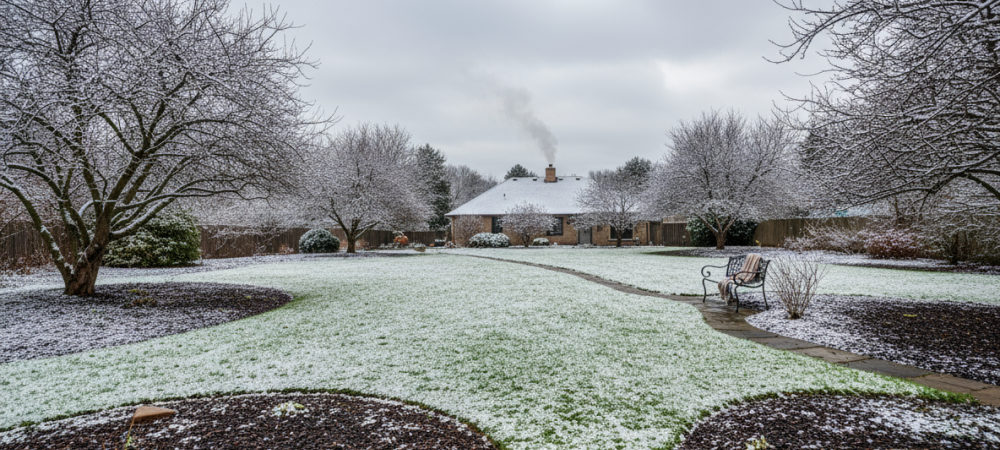
As cooler temperatures settle over North Carolina, your lawn enters a vulnerable phase—but with the right winter lawn protection nc strategies, you can shield it from frost, pests, and disease while setting the stage for a lush spring rebound. North Carolina's transitional climate, spanning USDA zones 6a to 8b, brings unpredictable freezes and occasional snow, which can stress cool-season grasses like tall fescue and even dormant warm-season varieties such as bermuda grass. According to NC State Extension, proper winter prep can boost turf density by up to 40% come spring, reducing weed invasion and repair costs.
Understanding Winter Challenges in NC Lawns
From the Piedmont's mild winters to the coastal plain's humidity, NC lawns face unique threats like vole tunneling under snow cover or fungal issues from lingering moisture. Nc winter yard tips start with assessment: Walk your yard in late fall to spot weak spots, such as thin turf or drainage issues, that could worsen with cold snaps. Healthy soil—tested every 2-3 years via NC Cooperative Extension—is key, as balanced pH (6.0-7.0) helps roots absorb residual nutrients during dormancy.
Essential Mowing and Cleanup for Winter Lawn Protection NC
Before the first frost (typically mid-November in central NC), mow cool-season grasses to 3-3.5 inches—never shorter than 2.5 inches—to create natural insulation against ground freezes. For warm-season lawns, raise blades by ½ inch in the piedmont to ward off winter kill. Rake leaves promptly; a thick layer can smother grass and harbor pests, but chop and leave clippings as free mulch for nutrient recycling.
- Avoid foot traffic: Frozen or snow-covered turf compacts easily, damaging crowns and inviting disease.
- Deep water pre-freeze: If dry spells hit in October, irrigate deeply (1 inch) to hydrate roots, as dormant grass can't signal thirst.
- Edge beds: Clean borders prevent overwintering insects from migrating to your lawn.
These steps, drawn from NC State TurfFiles guidelines, minimize lawn winter damage prevention by promoting resilience without excess effort.
Strategic Mulching and Insulation Techniques
Mulching is a cornerstone of winter lawn protection nc, especially for new sod or overseeded areas. Apply a thin layer (½ inch) of weed-free straw or pine needles around edges and vulnerable spots to trap heat and retain moisture—ideal for preventing desiccation in windy Piedmont exposures. For bare patches, use erosion-control netting over straw mulch to stabilize soil until spring germination.
Pro tip: Avoid heavy organic mulches like wood chips, which can mat and promote rot. Instead, integrate with our lawn aeration services in fall to improve drainage, reducing ice buildup that heaves roots. Homeowners in Hillsborough or Mebane report 30% less spring patching when combining aeration with targeted mulching.
Pest and Disease Vigilance in Cold Weather Grass Care
Winter isn't pest-free in NC—voles, mice, and overwintering grubs thrive under cover. Conduct monthly checks for tunnels or discoloration, and apply dormant-oil sprays to shrubs bordering your lawn to disrupt insect life cycles. For fungal threats like snow mold, ensure good airflow by pruning overhanging branches.
Cold weather grass care also means skipping late nitrogen fertilizers; excess greens up turf just in time for freezes, inviting damage. Opt for potassium-rich apps in November to fortify roots instead. If issues arise, our insect control team offers eco-safe winter diagnostics—book via our contact page for peace of mind.
Fertilization Timing and Soil Prep for Spring Success
Timing is everything in nc winter yard tips. Apply a final balanced fertilizer (low nitrogen, high potassium) by early December to support root health without stimulating top growth. Soil tests from NC State reveal that 70% of NC lawns suffer pH imbalances—lime acidic clay soils now for optimal nutrient uptake next season.
For warm-season lawns, a light phosphorus boost aids dormancy recovery. Pair this with our lawn fertilization programs, customized for local conditions, to avoid common pitfalls like over-fertilization, which spikes disease risk by 25% per Extension data.
Long-Term Benefits and Professional Support
Investing in lawn winter damage prevention pays off: Protected lawns emerge 2-3 weeks earlier in spring, with fewer weeds and repair needs. Track progress with simple tools like a soil thermometer—aim for consistent 50°F+ for greening. For hands-off expertise, Superior Green's seasonal packages integrate these strategies seamlessly.
Ready to fortify your yard? Explore our lawn care services or download NC State's free winter guide (NC State Extension Handbook) for more. Share your winter wins in the comments—what's your go-to protection tip?