
Your NC Lawn Care Schedule: A Year-Round Calendar for Piedmont Lawns
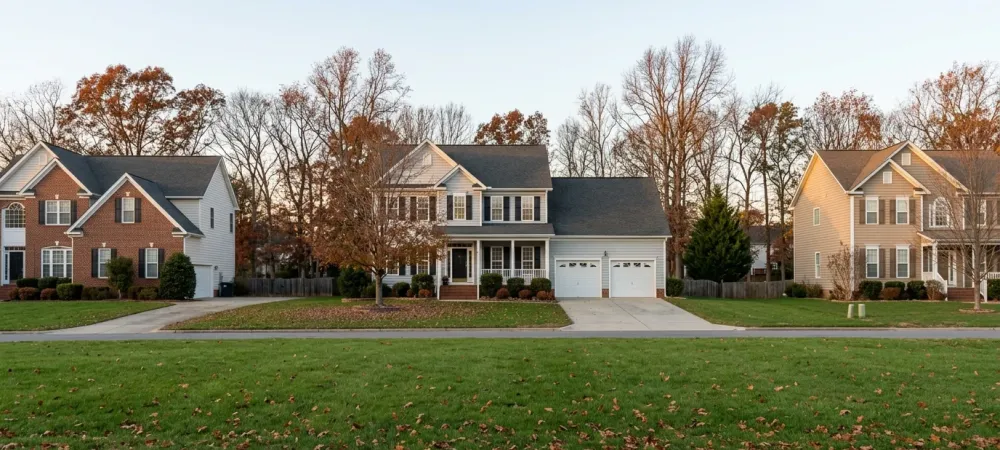
A great lawn doesn't come from one big weekend of yard work. It comes from doing the right job at the right time, all year long. That's why a lawn care schedule NC homeowners can actually follow makes such a difference.
This month-by-month lawn maintenance schedule is built for North Carolina's Piedmont, from Burlington, NC to Chapel Hill, NC. Timing shifts at the coast and in the mountains, so local lawns need a local plan. And late fall is the perfect time to map out the year ahead.
How to Use This NC Lawn Care Schedule
This calendar follows tall fescue, the grass NC State Extension calls best adapted to the mountains and Piedmont. Most of the timing comes from NC State Extension's tall fescue lawn maintenance calendar.
Fescue is a cool-season grass. It grows best in mild weather and slows down in summer heat. As a result, fall matters more than spring for a fescue lawn. Treat the months below as a guide, since weather can nudge the right timing earlier or later in any year.
Your Lawn Care Year at a Glance
- Winter: clear leaves, add lime if a soil test calls for it, spot-treat winter weeds, and feed in February.
- Spring: apply a pre-emergent for crabgrass, water deeply, and mark any grub damage.
- Summer: pause herbicides, prevent grubs in June, and water early to limit disease.
- Fall: test your soil, feed twice, aerate, overseed thin spots, and control winter weeds.
Winter Lawn Care: December to February
December: Clear Leaves and Plan Ahead
Keep fallen leaves and other debris off your grass. A heavy layer of leaves blocks sunlight from the lawn underneath. Then use the slower weeks to plan the year ahead.
Winter is also a good time to spread lime if your soil needs it. NC State Extension notes that lime can go down any time of year. However, winter is usually best because the lawn sees less traffic. Let a soil test tell you whether you need lime first.
January: Spot-Treat Winter Weeds
Chickweed and henbit sprout in fall and keep growing through the cool months. Spot-treat them with a broadleaf herbicide as needed, and always follow the product label. While you're out, note any thin or bare spots to repair in the fall.
February: Give Fescue a Late-Winter Feeding
February brings fescue's late-winter feeding, which supports early spring growth. Our fescue fertilizer schedule for North Carolina covers the amounts and timing for every feeding in detail.
Spring Lawn Care: March to May
March: Stop Crabgrass Before It Starts
Pre-emergent herbicides stop crabgrass, goosegrass, and foxtail seeds from sprouting. Timing is everything, because they won't control weeds that are already up. NC State Extension says early March is typically best, and sooner in the Piedmont. For most local lawns, that means late February into early March.
Meanwhile, go easy on fertilizer. For fescue, spring feeding is optional. It's mainly for color or for helping a damaged lawn recover.
April and May: Water Deeply and Mark Grub Damage
As growth picks up, fescue needs about 1 inch of water per week from rain or irrigation. NC State recommends spreading that out rather than putting it all down at once. Each time you water, aim to moisten the soil 4 to 6 inches deep.
You may also spot grub damage this time of year. However, NC State notes that spring curative treatments for white grubs aren't effective. Instead, mark the problem areas so you can treat them at the right time in early summer.
Summer Lawn Care: June to August
June: Pause Herbicides and Prevent Grubs
Once summer heat arrives, hold off on herbicides for fescue. NC State's calendar advises against using them from June through August.
June is also the month for preventive grub control. That's when adult beetles are flying and starting to lay eggs. A preventive treatment now can stop young grubs before they damage your lawn's roots.
July and August: Water Early and Watch for Disease
Brown patch and gray leaf spot are the two big summer diseases for fescue. To help limit brown patch, NC State recommends watering between 2 a.m. and 8 a.m. Gray leaf spot stays active from July through October, and severe cases may need a fungicide.
During a dry spell, you have two choices. You can water enough to prevent drought stress, or you can let the lawn go dormant. A dormant lawn still needs water about every three weeks during a drought.
Fall Lawn Care: September to November
Fall is the most important season on any NC lawn care schedule for fescue. The weather turns mild again, and your lawn is ready to rebuild after summer. This is when the big jobs happen.
September: Test, Feed, Aerate, and Repair
- Test your soil. A soil test shows what your lawn needs before you feed it.
- Feed in mid-September. This is the first and most important fall feeding for fescue.
- Aerate compacted lawns. NC State recommends aerating lawns on clay soils or with heavy foot traffic. Red clay is common across the Piedmont.
- Overseed thin spots. In the Piedmont, NC State's window for overseeding fescue runs from September 1 to October 1.
One caution: some broadleaf herbicides can harm newly seeded grass. Check the label before you treat weeds in an area you just seeded.
October: Get Ahead of Winter Weeds
Winter weeds like chickweed and henbit are young and small in fall, so they're easier to control now. NC State's calendar recommends broadleaf herbicides as needed through the fall months. If you'd rather hand this job off, here's how to choose the best weed control company in the NC Piedmont.
November: Make the Second Fall Feeding
Fescue's second fall feeding goes down in November. NC State times it for when the grass is still green but no longer actively growing.
November is also the last month to test soil for free until spring. NCDA&CS soil tests are free for NC residents from April through late November. After that, a peak-season fee applies through March.
Have a Warm-Season Lawn?
If your yard is bermudagrass or zoysia, your NC lawn care schedule will look different. Warm-season grasses green up in late spring and grow fastest in summer heat. For example, NC State advises against fertilizing bermudagrass in winter. Instead, it recommends waiting until several weeks after the lawn turns fully green, typically between early April and May.
Plan to aerate warm-season lawns in late spring or early summer, not fall. Pre-emergent timing for crabgrass, on the other hand, is close to the fescue window.
Let Superior Green Keep Your Lawn on Schedule
A year-round calendar takes time, and timing mistakes are easy to make. That's where our lawn care plans come in. We start every program with a thorough lawn inspection. Then we follow through with treatments timed to the seasons.
- Feeding and weed control: professional-grade fertilizer plus pre- and post-emergent weed control.
- Grub and disease protection: our Advance plan adds preventive lawn disease control and grub protection.
- Licensed technicians: all of our technicians are licensed, trained, and certified.
- Satisfaction guarantee: if you're not satisfied after a service, we'll retreat your lawn at no additional charge.
Superior Green is locally owned and operated. We serve Mebane, NC; Burlington, NC; Hillsborough, NC; Chapel Hill, NC; Graham, NC; and surrounding areas. Call 336-266-6772 for a free quote, and start next year on schedule.